<p>Bano Studios is seven years old. We started in 2019 making YouTube skits with a borrowed Canon 700D and zero plan. Today we're a full-service production company in Abuja with a gear closet, a bootcamp, and three revenue streams. This is the unfiltered timeline of how we got here — what worked, what didn't, and the decisions we'd make differently if we were starting again.</p>
<h2>2019 — The skit phase</h2>
<p>It started as a hobby. Two of us with a Canon 700D, a basic shotgun mic, and an idea that we should be making things instead of just watching things. We posted skits weekly on YouTube. They got modest views. We made zero naira from them.</p>
<p>What worked: posting consistently. Even when the skits were bad, the practice of writing-shooting-editing-posting weekly built skills that could not have been built any other way.</p>
<p>What didn't work: trying to monetize the skits. The audience was too small for ad revenue, the ad rates too low for African creators in 2019. We chased AdSense and got nothing. Other revenue would have to come.</p>
<h2>2020 — The lockdown pivot</h2>
<p>COVID hit. Skit production paused. We had time and equipment. We made our first short film, "Expectations" — shot on weekends over 30 days with an iPhone 6 (the Canon had broken and we couldn't afford to fix it).</p>
<p>The pivot from "people who make YouTube videos" to "people who make films" happened during this year. It changed everything about how we thought of ourselves.</p>
<p>Revenue: still zero. We were spending savings.</p>
<h2>2021 — The festival year</h2>
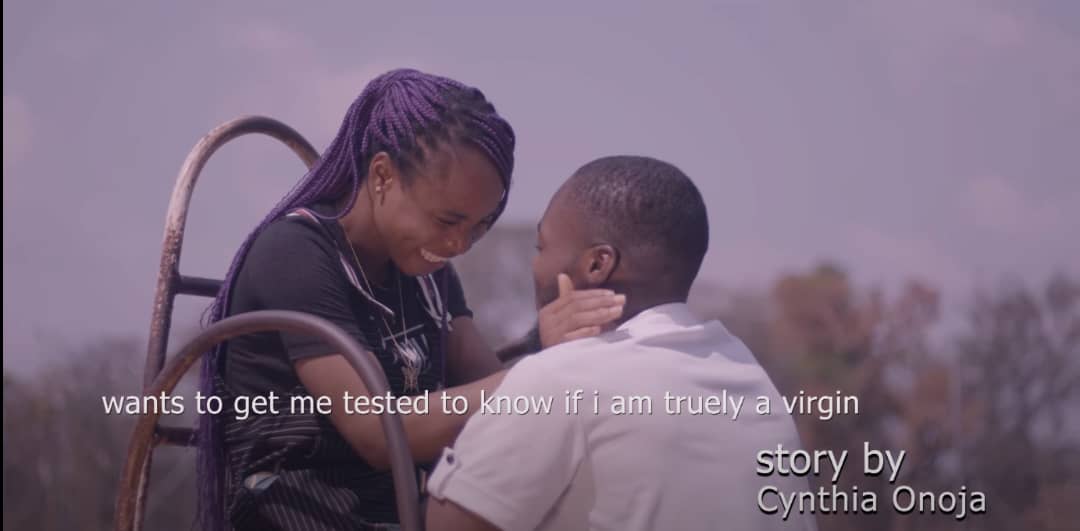
<p>"Expectations" won Best Short at ASIFF. This was the first external validation that our work was good. The win opened doors:</p>
<ul>
<li>Two corporate clients reached out for branded content work — our first paid gigs (₦150K and ₦300K, both delivered).</li>
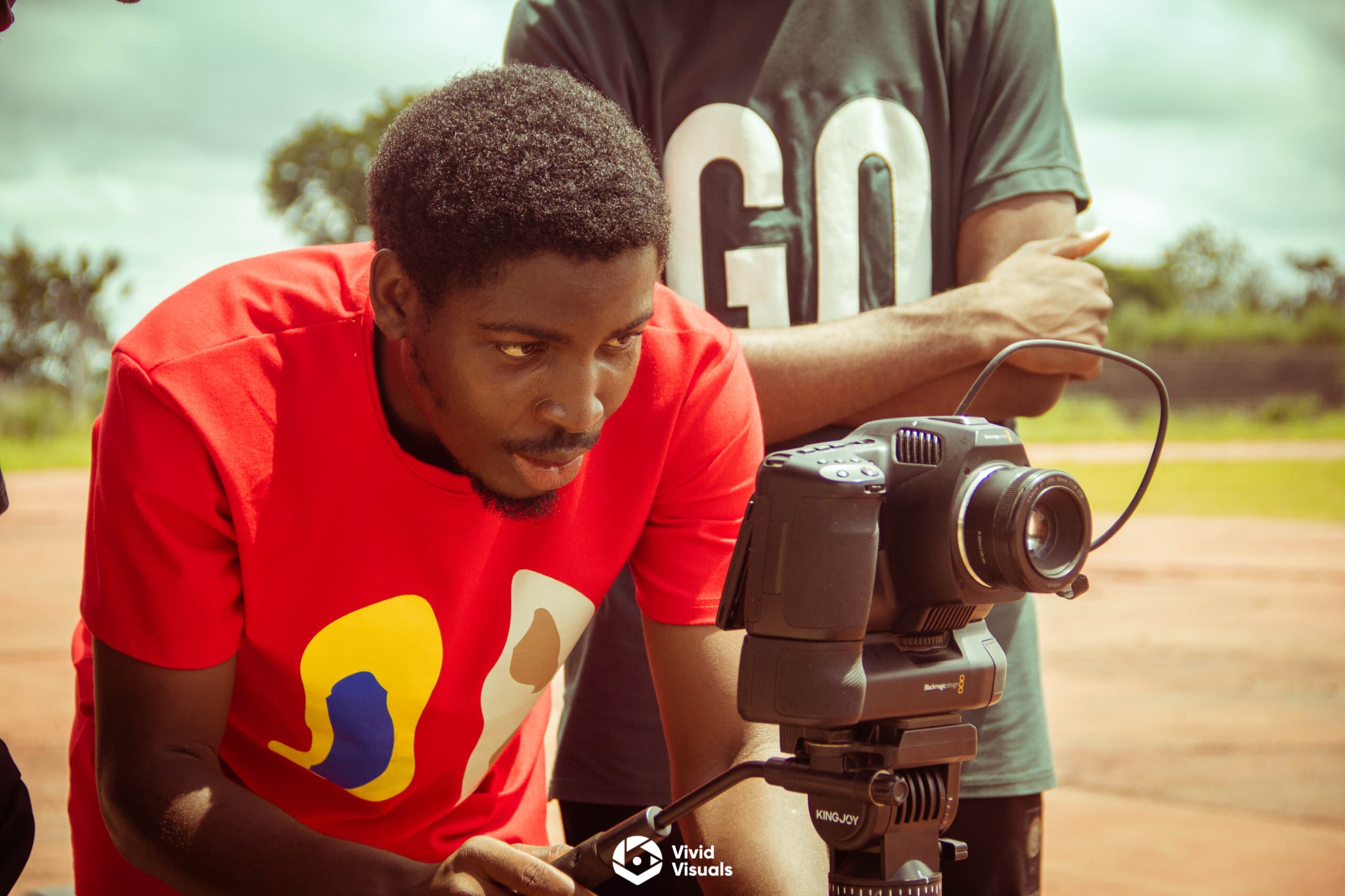
<li>An equipment dealer in Lagos extended credit terms so we could buy our first proper camera (a BMPCC 4K).</li>
<li>Three crew members from other productions started messaging us about collaboration.</li>
</ul>
<p>Revenue: roughly ₦600K total for the year. Still loss-making (we'd spent ₦800K on gear and travel) but now there was a path.</p>
<h2>2022 — The crew and gear year</h2>
<p>The big shift: hiring our first non-founder team members. A part-time editor, a regular camera operator, an admin who handled all the bookings the founders were dropping. This was the year Bano Studios became a "company" in any meaningful sense.</p>
<p>The gear closet started accumulating. We bought our first lighting kit. We bought our first proper audio recorder. The investments were funded by client work, not savings — for the first time, the business funded itself.</p>
<p>Revenue: ₦4.2M. Profitable for the first time (just barely).</p>
<h2>2023 — Equipment rental as a second revenue stream</h2>
<p>We had gear sitting idle between productions. A friend asked to rent our BMPCC for a weekend. We charged ₦15K. It worked. Word spread. Within six months we had a regular roster of 20+ filmmakers in Abuja renting from us monthly.</p>
<p>Equipment rental quickly grew to 40% of revenue. The math was beautiful: zero marginal cost on equipment we already owned. The challenge: managing the logistics — pickups, returns, damage protocols, scheduling conflicts. We hired a part-time rental manager.</p>
<p>Revenue: ₦11.8M. Roughly 60/40 production-to-rental split.</p>
<h2>2024 — The bootcamp launches</h2>
<p>The bootcamp idea came from getting too many "can you mentor me?" messages to handle individually. We'd been doing one-off mentorship informally for years. Cohort 01 in March 2024 was twelve people, six weeks, ₦100K per participant.</p>
<p>The bootcamp wasn't a major revenue source — ₦1.2M for the first cohort against significant labor cost — but it became the most important pipeline for new client relationships. Bootcamp alumni went on to work with us as paid crew, refer their friends, and become long-term collaborators. Some now book us for their own projects.</p>
<p>Revenue: ₦19M. Production 50%, rental 35%, bootcamp 15%.</p>
<h2>2025 — Specialization and pricing power</h2>
<p>This was the year we stopped saying yes to everything. We narrowed our production focus to: branded content for tech and lifestyle brands, music videos for established artists, and our own short films. We stopped doing weddings, stopped doing low-budget event coverage, stopped doing one-off contractor gigs that paid below ₦200K/day.</p>
<p>Saying no to lower-margin work freed up calendar to charge more for higher-value work. Average production project size went from ₦600K in 2024 to ₦1.4M in 2025.</p>
<p>Revenue: ₦27M. Margins improved meaningfully.</p>
<h2>2026 — Where we are now</h2>
<p>Three established revenue streams (production, rental, bootcamp), a 6-person full-time team plus regular freelancers, a gear closet worth around ₦18M, and a list of recurring clients. We're working on our first feature film, with investor outreach in process. The bootcamp is in its 4th cohort.</p>
<p>The decisions we'd make differently:</p>
<h3>What we'd do differently</h3>
<ol>
<li><strong>Hire admin support earlier.</strong> The founders did all the booking, scheduling, invoicing for the first three years. This was bad for both productivity and mental health. A ₦80K/month admin would have paid for themselves in our recovered creative time within two months.</li>
<li><strong>Start the rental business sooner.</strong> We had idle gear for at least 18 months before we started renting it out. That's ₦5M+ of foregone revenue.</li>
<li><strong>Charge more, sooner.</strong> We undercharged for the first four years. Our 2020-2022 prices were embarrassingly low because we equated low prices with "earning the right to charge more later." Clients took us seriously when we charged seriously.</li>
<li><strong>Document everything.</strong> Almost no early production decisions are written down anywhere. The institutional memory of those years lives in two people's heads. If either of us got hit by a bus, half the company's history would vanish.</li>
<li><strong>Build the email list earlier.</strong> Most of our client relationships came from social media DMs. A proper newsletter, started in 2020, would have grown into a marketing channel by now. Started one in 2025; it's still too small to be useful.</li>
</ol>
<h2>What we wouldn't change</h2>
<ol>
<li><strong>The slow pace of the first three years.</strong> We didn't try to scale fast. We built craft and built audience first. The companies we know that scaled before they were ready mostly don't exist anymore.</li>
<li><strong>Investing in gear over salary.</strong> For the first four years we paid ourselves below market rate and reinvested everything into equipment. The gear closet is now an asset that earns us money every week.</li>
<li><strong>Saying no to every "guaranteed money" project that wasn't aligned with the brand.</strong> Multiple times we turned down ₦2M+ wedding shoots and church convention recordings because they weren't the work we wanted to be known for. Painful in the moment, right in retrospect.</li>
<li><strong>The bootcamp.</strong> Not a profit center on its own, but the network effect has been the single biggest multiplier of our last 24 months.</li>
</ol>
<h2>The 5-year plan</h2>
<p>Where we want to be by 2031:</p>
<ul>
<li>2-3 feature films released, at least one with international festival selection</li>
<li>Equipment rental as a standalone profitable subsidiary, possibly a second location in Lagos</li>
<li>Bootcamp running quarterly, possibly with a 12-week advanced track</li>
<li>15-person full-time team</li>
<li>Recurring revenue from a streaming or subscription product (still being figured out)</li>
</ul>
<p>If we hit half of this, we'll be proud.</p>
<p>If you're building a similar studio, working in Nigerian indie production, or just curious about the day-to-day of running this kind of business — DMs are open via the <a href="/contact">contact page</a>. We answer every email.</p>