Most music videos that look expensive aren't expensive — they're planned. After running gear and crew on dozens of music video shoots in Abuja over the past four years, the single biggest predictor of how a finished video lands is how much work happened in the two weeks before anyone touched a camera. This guide is the working playbook we hand to artists, labels, and indie directors who book us for music video production. It's organized by phase: what to lock down, when to lock it, and the costs you should expect.
Phase 1 — Pre-production (start 14 days out)
The treatment is the contract between you and your director. A good treatment answers four questions: what is the visual world, what is the artist doing in each verse, what is the chorus reveal, and what does the final shot need to feel like. If you can't write that in 200 words, you don't have a treatment yet — you have a vibe.
The treatment becomes the shot list. The shot list becomes the schedule. The schedule becomes the budget. Skip any of these three steps and you'll discover on shoot day that you have 28 shots, eight hours of daylight, and a generator that runs out of fuel at 4pm.
The Abuja-specific pre-production checklist
- Location permits. Public spaces in Abuja — parks, markets, monument plazas — technically require FCDA permission for commercial filming. Most one-day skit shoots get away without permits. A music video with a generator, a 6-person crew, and a camera on a tripod will get noticed. Budget ₦20K-₦50K per location per day for permits, and apply at least 5 working days ahead.
- Power. Outdoor shoots almost always need a generator. A 5KVA silent-running gen rents for ₦15K/day in Abuja and runs about 4-5 hours on a full tank. Buy diesel separately and budget two refills.
- Talent calls. Confirm the artist 48 hours out, then again 24 hours out. Have a Plan B for makeup if your MUA cancels — it happens more than you'd think.
- Wardrobe. One full set of looks per scene, plus one backup. If the artist will be on a roof, in a pool, or in white, double the count.
Phase 2 — Crew + gear (lock 7 days out)
For a one-day, two-look music video in Abuja, the minimum viable crew is six people: director, DP, gaffer, sound operator (only if you're capturing sync sound for a behind-the-scenes cut), MUA, and a runner. Less than six and you'll burn the DP doing setup work that should be the gaffer's job.
Our standard music video kit out of the Bano Studios gear closet:
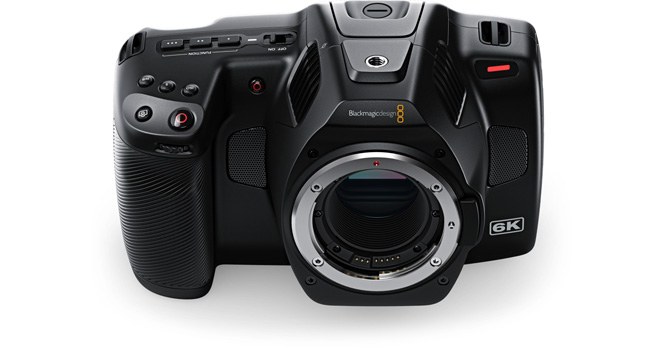
- Blackmagic 6K Pro or Sony FX3 (BMPCC for cinematic grade, FX3 for low-light club / night exterior)
- 24-70mm f/2.8 + 85mm f/1.4 + 16mm f/2.8 wide
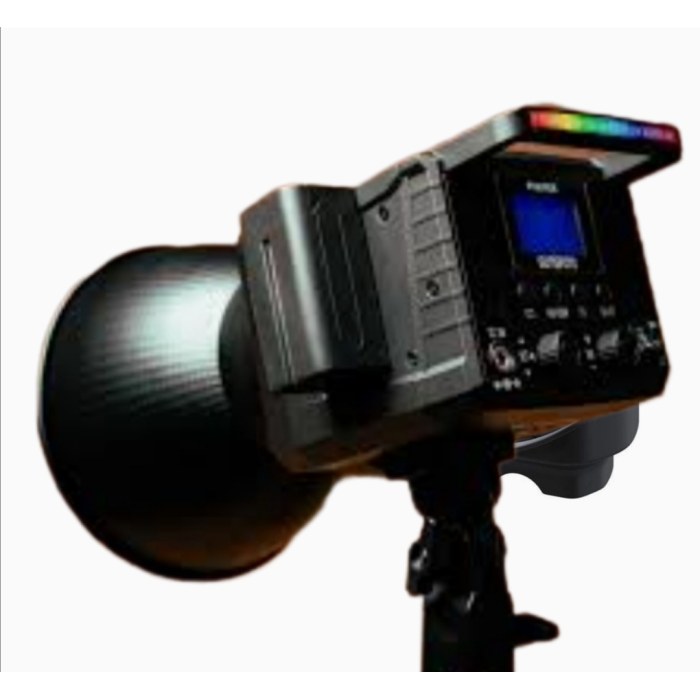
- 2× Aputure 300d Mark II + softbox + 2× LED panels for fill
- Zhiyun Crane 3S gimbal + slider + tripod
- Wireless lavalier + boom (skip if no sync sound)
This package — camera, lenses, lighting, grip — rents from us for around ₦150K-₦200K per day depending on the camera body. A full-day rental beats hourly piecemeal rentals every time; you'll always shoot longer than planned.
Phase 3 — The shoot day
Call time should be one full hour before first light if you're shooting golden hour. Loading gear, setting up the first shot, doing camera tests with the actual artist in actual wardrobe — this eats time.
The single best discipline you can adopt: shoot the chorus first. The chorus is the part the audience sees the most, the part that lives on social media, the part that has to absolutely work. If anything goes wrong with the schedule, you'd rather lose a verse setup than the chorus.
Reserve the last 30 minutes of light for one big establishing shot. Wide. Artist alone. Something that frames the world of the video. You'll be tired by then; do it anyway.
Phase 4 — Post-production timeline
For a 3-4 minute music video, expect the following turnaround if you want it to not look rushed:
- Day 1-3: Editor cuts a rough assembly to the song, no transitions, no color, no SFX. Director reviews.
- Day 4-7: Picture lock. Selects, transitions, basic graphics in place. Artist reviews.
- Day 8-10: Color grade. This is where a flat BMPCC or FX3 file actually starts looking like the moodboard.
- Day 11-12: Sound design pass. Even on a music video, ambience between sections matters.
- Day 13-14: Final master. 4K H.265 for YouTube, vertical 9:16 cutdowns for IG/TikTok.
Common Abuja-specific gotchas
Heat. Cameras overheat. The Sony FX3 in particular will throttle in direct Abuja sun if you're shooting 4K 60p. Carry an umbrella — for the camera, not you.
Generator noise. If you're recording sync sound, the gen has to be at least 30 metres away or behind a sound barrier. Most rental gens in Abuja are advertised as "silent" but are not.
Rain. Rainy season (April-October) means a 30% chance any given afternoon shoot gets washed out. Build a weather buffer into your schedule. We always lock a backup interior location.
Budget anchor — what a pro music video actually costs in Abuja
For a director-led, two-location, one-day music video with a 6-person crew and the gear list above, including 14 days of post-production, you should expect to spend between ₦600K-₦1.2M. Anything below ₦600K is corner-cutting on either crew or post; anything above ₦1.2M usually means you're paying for celebrity talent or a custom set build.
Want us to produce yours? Send the song and a one-paragraph treatment via the contact form — we respond within 24 hours with a tailored quote.