<p>We've run four cohorts of the Bano Studios Filmmaking Bootcamp in Abuja since 2023. About 50 filmmakers have come through. A few have gone on to direct festival shorts; many work as paid crew on commercial productions; one is teaching her own workshops. We've learned a lot about what works and what doesn't in this format. This is an honest accounting.</p>
<h2>The format that emerged</h2>
<p>Six weeks. Twelve participants per cohort. Three days a week (Mondays, Wednesdays, Saturdays). 9am-3pm sessions on weekdays, 9am-6pm on Saturdays. Final week is a full-week production sprint where the cohort splits into 3 teams of 4 and shoots a short film start-to-finish.</p>
<p>Why these specific numbers:</p>
<ul>
<li><strong>Six weeks</strong> — long enough to cover real ground, short enough that participants can maintain it alongside day jobs / school. Eight weeks burned people out in cohort 02; four weeks felt rushed in cohort 01.</li>
<li><strong>12 participants</strong> — three teams of four for the production sprint. Bigger and you can't give individual feedback; smaller and the team dynamics don't work.</li>
<li><strong>3 days/week</strong> — every other day allows for digestion. Five days a week was too intense in cohort 01.</li>
</ul>
<h2>Week-by-week curriculum</h2>
<h3>Week 1 — The vocabulary</h3>
<p>Most newcomers don't know the vocabulary. They can't name a 50mm lens. They don't know what "180-degree rule" means. They've never heard of "negative fill." Week 1 is brutal exposure to the language: types of shots, types of lenses, types of lights, types of microphones. Lots of clips. Lots of looking at how shots are constructed. By Friday they should be able to look at a film clip and identify the camera angle, the lens length, and the lighting setup.</p>
<h3>Week 2 — Pre-production</h3>
<p>Script breakdown. Shot list. Storyboard. Scheduling. Budgeting. The unglamorous foundation. Most participants find this week boring — and most of them admit by Week 6 that this was the most important week.</p>
<h3>Week 3 — Camera and lighting</h3>
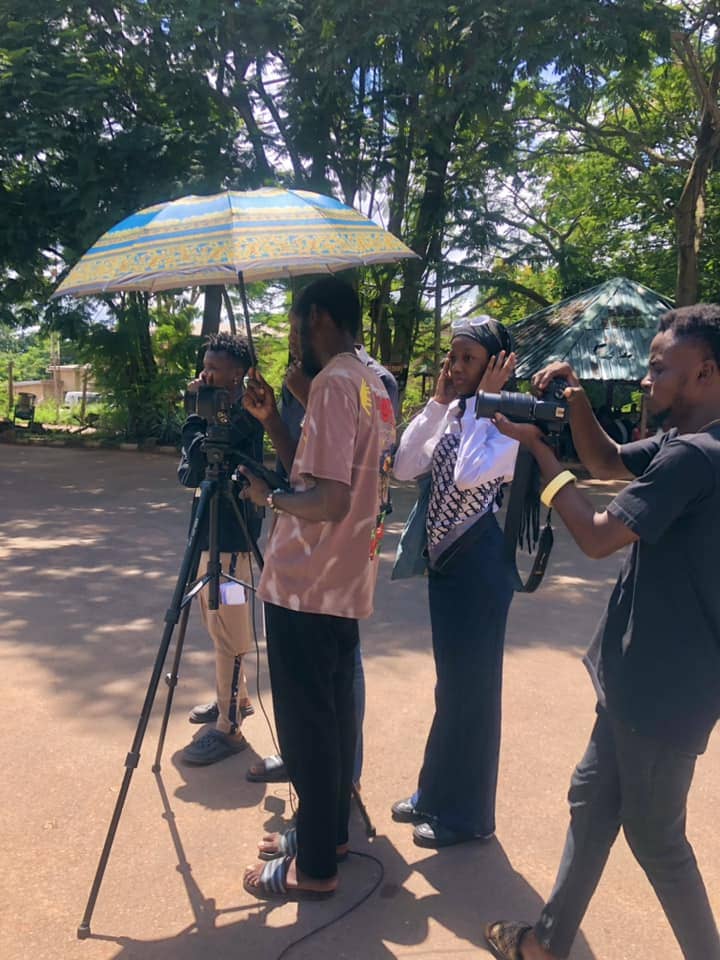
<p>Hands-on with our gear. Each participant gets time with the BMPCC 6K Pro, the Sony FX3, the Aputure 300d. They light a scene three different ways and shoot the same dialogue. They watch their own footage and critique. The week ends with a "lighting challenge": same room, three different moods, with the lights they have.</p>
<h3>Week 4 — Sound and direction</h3>
<p>Sound first — boom techniques, lavalier placement, room tone, what to listen for. Then directing actors: blocking, rehearsal techniques, how to give a note that's actionable instead of vague. The hardest week to teach because it's so much practice and feedback.</p>
<h3>Week 5 — Post-production</h3>
<p>Editing principles. Pacing. Cutting on movement. Sound design. Color grading. We use DaVinci Resolve (free) so participants can continue practicing at home. By the end of week, each participant has cut a 60-second piece from footage we provide.</p>
<h3>Week 6 — Production sprint</h3>
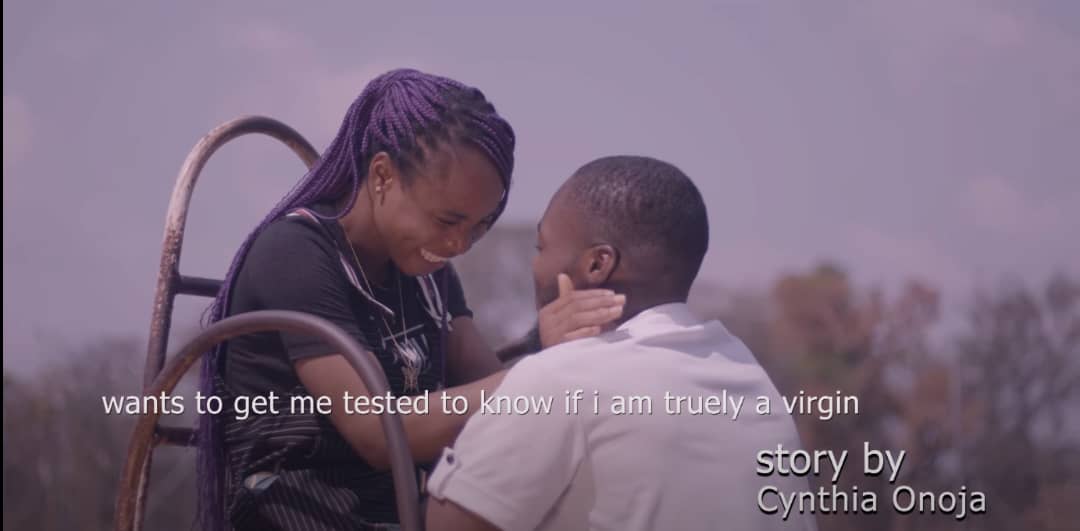
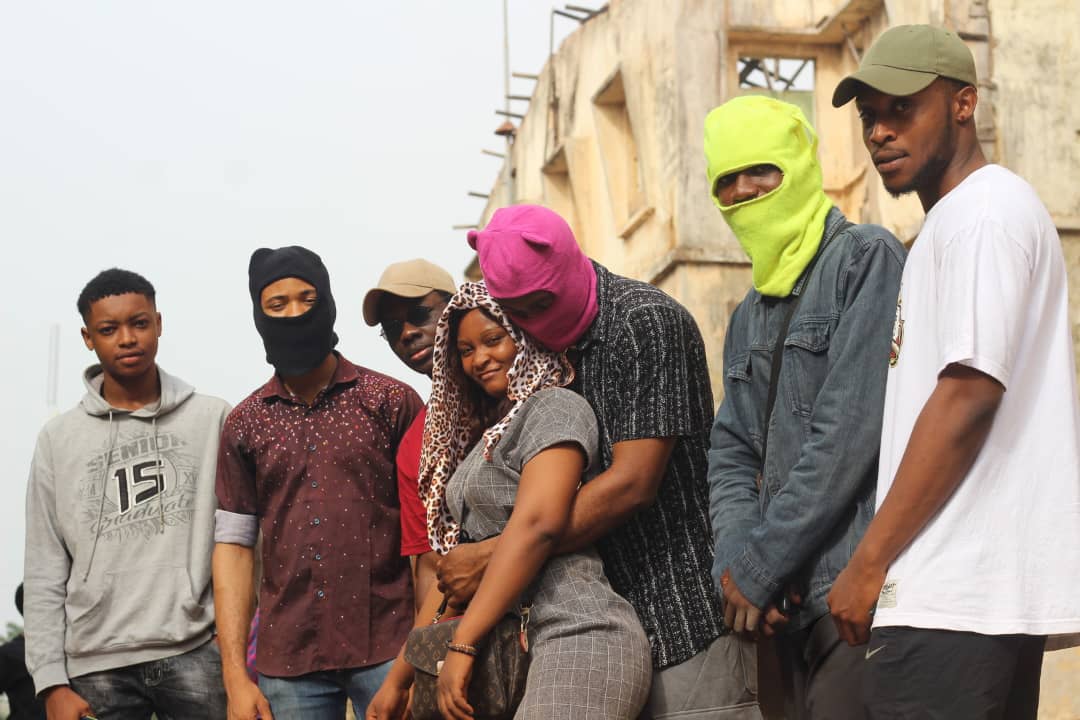
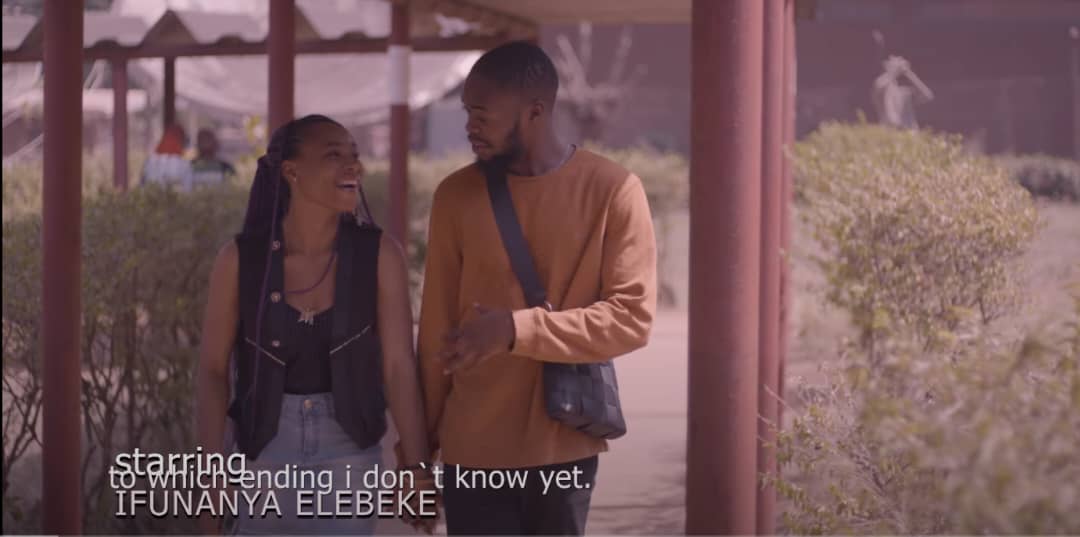
<p>Three teams. Three short films. Pre-production Monday. Shoot Tuesday-Wednesday. Edit Thursday. Color and sound Friday. Screen Saturday afternoon. The films are usually 3-5 minutes. Some are good. Some are not. All teach more than any lecture could.</p>
<h2>The hands-on vs theory balance</h2>
<p>Cohort 01 was 60% theory, 40% hands-on. Participants felt smart but couldn't operate gear when given the chance. Cohort 02 swung to 70% hands-on, 30% theory. Participants could push buttons but didn't understand why one button vs another. Cohorts 03 and 04 settled at 50/50, with theory always followed by hands-on practice of the same day's concepts.</p>
<p>The rule: never teach a concept without practicing it within 24 hours. The brain can't retain abstract knowledge that isn't applied.</p>
<h2>What we changed between cohorts</h2>
<h3>Cohort 01 → 02: Added the production sprint</h3>
<p>Cohort 01 ended with a written test. Nobody learned anything from the test. Cohort 02 introduced the final-week production sprint where teams actually make a film. This single change transformed the program. The pressure of a deadline is the best teacher.</p>
<h3>Cohort 02 → 03: Cut the lecture lengths</h3>
<p>2-hour lectures don't work. Adults can focus for 25-40 minutes. We restructured to 30-minute teaching blocks alternating with 30-minute hands-on or critique blocks. Same total content, much higher retention.</p>
<h3>Cohort 03 → 04: Added the alumni network</h3>
<p>The cohort doesn't end at week 6. We added a private group chat for alumni, monthly post-cohort meetups, and discounted gear rental rates for the first 12 months. The bootcamp is now also a network, which has been the most-cited reason participants apply.</p>
<h2>What we still struggle with</h2>
<ul>
<li><strong>Selection.</strong> We get 80-150 applications for 12 spots. Picking the right 12 is hard. We've had brilliant scriptwriters who hated the camera work; we've had natural cinematographers who couldn't write a line of dialogue. The application now includes a "submit a 60-second video on your phone" requirement, which has helped.</li>
<li><strong>Cost.</strong> The bootcamp has a per-participant fee — contact us for current pricing. That's significant for many young Nigerian filmmakers. We offer 2 full scholarships per cohort funded by alumni donations, but it's not enough.</li>
<li><strong>Outcome tracking.</strong> Three cohorts in, we're only just starting to track what alumni are doing 12-24 months later. Anecdotally many are working in the industry; data-wise we don't have rigorous numbers.</li>
</ul>
<h2>What we'd tell anyone running a similar program</h2>
<ol>
<li>End every week with something tangible — a critique session, a screening, a build. Not a quiz.</li>
<li>Have actual working professionals teach the modules they specialize in. Don't try to have one instructor cover everything.</li>
<li>Build a finished-film component into the curriculum. People who never finish a project don't develop the discipline of finishing.</li>
<li>Stay in touch after the program ends. The community is the value.</li>
</ol>
<p>Applications for Cohort 05 (October 2026) open in August. Details on the <a href="/events">events page</a>. To be notified, send an email to info@banostudios.africa with subject "Bootcamp 05 waitlist".</p>