<p>Constraint is the most useful tool in indie filmmaking. Not a camera, not a light, not a lens — constraint. Five years after we shot "Expectations" on an iPhone 6, the lessons that have stuck with us aren't about the phone. They're about what the phone <em>forced</em> us to think differently about. Here's what nine weekends of phone-based filmmaking taught us, and why every working DP in our crew now insists on artificial constraints — even when we have the budget for anything.</p>
<h2>The setup, briefly</h2>
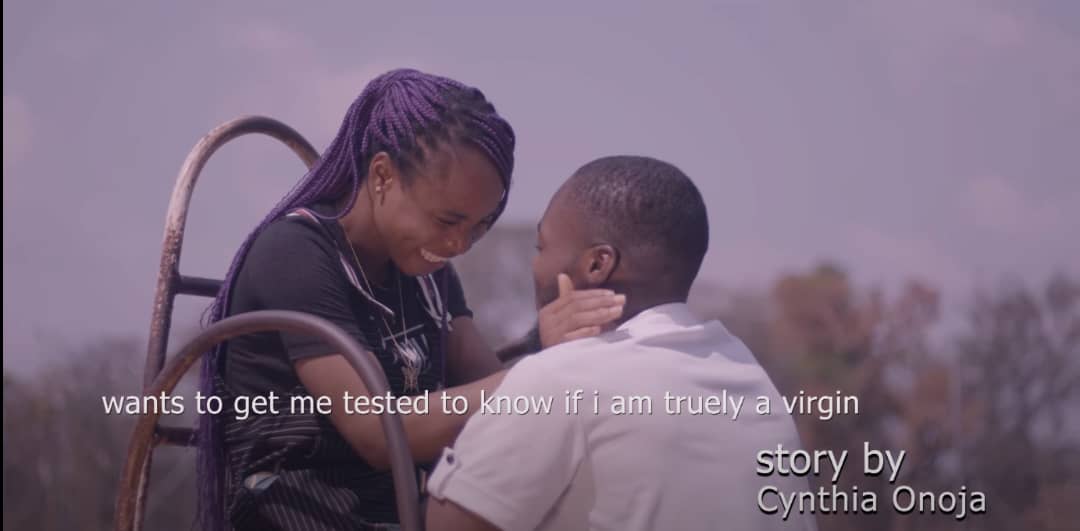
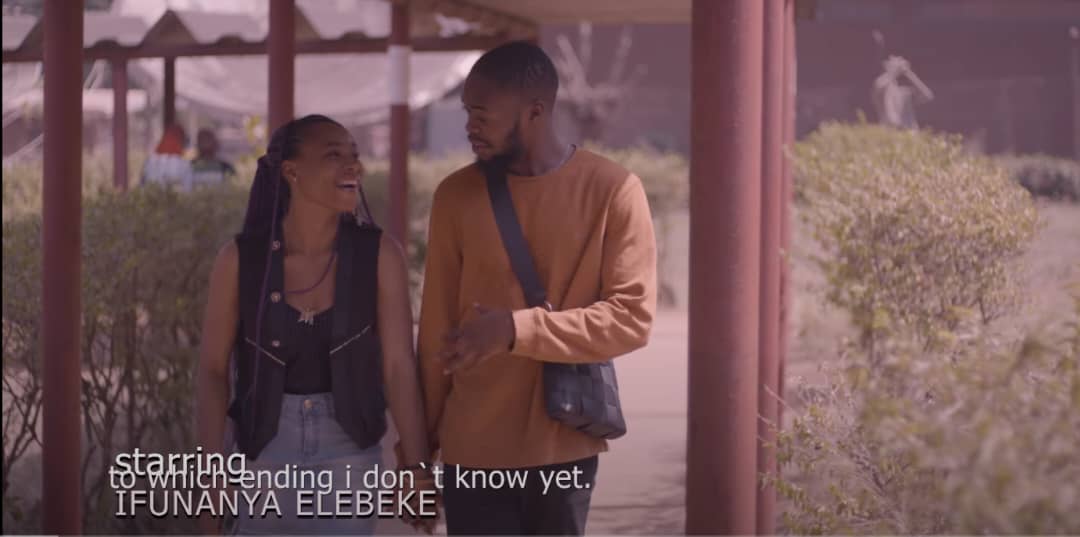
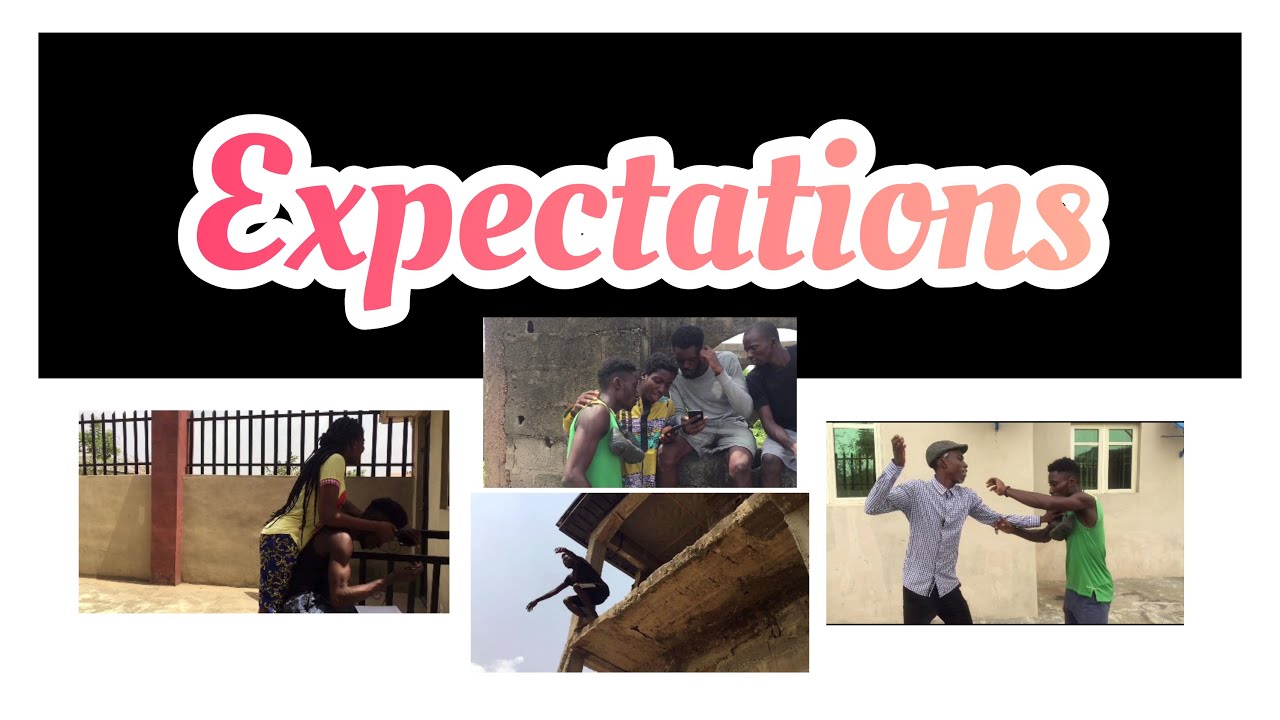
<p>Late 2020. Our better camera (a Canon 700D) had a sensor issue we couldn't afford to fix. Our team had a 12-page script, four actors, and zero money. One actor offered her iPhone 6. We took it. The result, "Expectations," went on to win Best Short at ASIFF 2021.</p>
<p>This post isn't the production diary — that lives in <a href="/blog/behind-the-scenes-expectations-30-day-shoot">a separate piece</a>. This is what we learned <em>about filmmaking</em> from working that small.</p>
<h2>Lesson 1 — When you can't move the camera, you move the actors</h2>
<p>The iPhone 6 had no rig, no shoulder mount, no gimbal. Handheld it shook. So we built blocking around <em>actor movement</em> rather than camera movement. The actor walks toward the lens for emphasis. The actor turns to deliver a line. The actor backs out of frame for an exit beat.</p>
<p>This is how silent-era films worked. It is also how every great theatre director thinks. We had been treating the camera as the protagonist of every scene; the iPhone forced us to remember the protagonist is the human in front of it.</p>
<p>Practical takeaway: even on big shoots now, we plan one "blocking-only" rehearsal where the camera doesn't exist. We run the scene as theatre. Then we put the camera in the easiest position. Better blocking, less coverage needed.</p>
<h2>Lesson 2 — One lens makes you compose harder</h2>
<p>The iPhone 6 has a single fixed 28mm-equivalent prime. We couldn't zoom. We couldn't switch lenses. So we had to <em>walk</em>. To get a close-up, we walked closer. To get a wide, we walked back. To get a medium, we walked to the medium.</p>
<p>What this did: every shot was a conscious choice about distance and frame. There was no zooming-in-on-uncertainty. Every composition was someone looking through the viewfinder and saying "yes, this." On modern shoots with full lens kits, our DP still does the first round of blocking with a single 35mm. Lens choice second.</p>
<h2>Lesson 3 — No depth of field forces you to direct attention with light, not blur</h2>
<p>Phones don't bokeh meaningfully. Everything is in focus. So we couldn't use shallow depth as a crutch to draw the eye. We had to use <em>lighting</em> — pools of light around the protagonist, darker corners, motivated practical lights — to direct the audience's eye where we wanted it.</p>
<p>This is also how Roger Deakins works. We learned about him properly six months later. The iPhone had been our gateway drug into the realisation that lighting is composition, not just illumination.</p>
<h2>Lesson 4 — Limited dynamic range made us shoot at golden hour for everything</h2>
<p>The iPhone 6 image collapses to flat grey at noon-bright Abuja sun. We learned to schedule every exterior between 7-9am or 5-7pm. The 30-day shoot stretched out partly because we kept losing midday slots.</p>
<p>This was painful at the time. It also taught us that "shooting at the right hour" is a director-level decision, not just a DP preference. Now we plan exterior coverage around natural light first, then build the day around that.</p>
<h2>Lesson 5 — Bad audio kills any image, no matter how cinematic</h2>
<p>This wasn't a phone-specific lesson but the phone made it impossible to ignore. The iPhone's onboard mic gave us audio that ranged from mediocre (close-up dialogue in a quiet room) to unusable (anything outdoors). Half our post-production was salvaging dialogue with iZotope. The half that wasn't salvageable, we dubbed in our director's bedroom with a borrowed Rode NTG2.</p>
<p>The film exists because we got lucky on the audio. Today our gear closet's audio side is bigger than the camera side. Every Bano shoot has a dedicated sound op, even on small commercial work. We will never be in that position again.</p>
<h2>Lesson 6 — Limitations clarify story</h2>
<p>The biggest thing the iPhone did was strip away our ability to hide behind production value. We couldn't add a crane shot to make a boring scene interesting. We couldn't add anamorphic flare to fake "cinematic." Every dramatic decision had to be made with what was on the page.</p>
<p>Two scenes got cut in week three because, without the safety net of "we'll fix it in post with a cool camera move," they didn't earn their place. Both scenes would have stayed in the film if we'd had a Sony FX3.</p>
<p>The film is better for losing them.</p>
<h2>What we'd recommend you actually do</h2>
<p>If you're starting out: go shoot your next short on the cheapest viable camera. Not the most expensive you can afford. The cheapest. Phone, ₦40K used DSLR, whatever. Add real audio (₦30-50K shotgun mic). Spend the saved money on:</p>
<ul>
<li><strong>Crew, not gear.</strong> Two more days of an experienced gaffer beats any camera upgrade.</li>
<li><strong>Locations.</strong> A real set is worth more than a fake set shot beautifully.</li>
<li><strong>Post-production time.</strong> Pay an editor properly.</li>
</ul>
<p>The film you make under that constraint will teach you more than the same film made with rented Alexa Minis. We learned that in 2020. We're still learning it on every shoot.</p>
<p>Want to learn this kind of constraint-driven filmmaking hands-on? Our <a href="/events">filmmaking bootcamp</a> runs cohorts twice a year in Abuja — application details on the events page.</p>