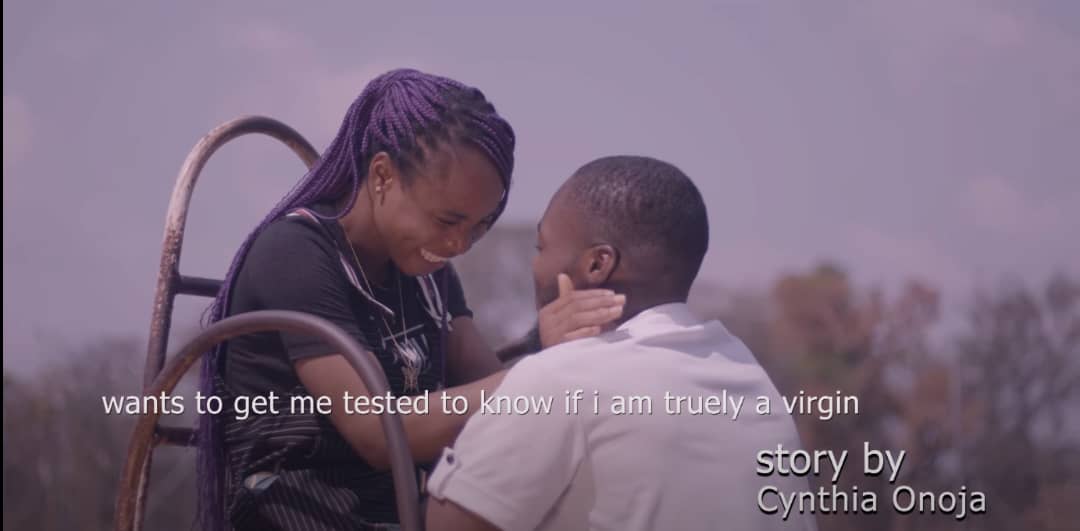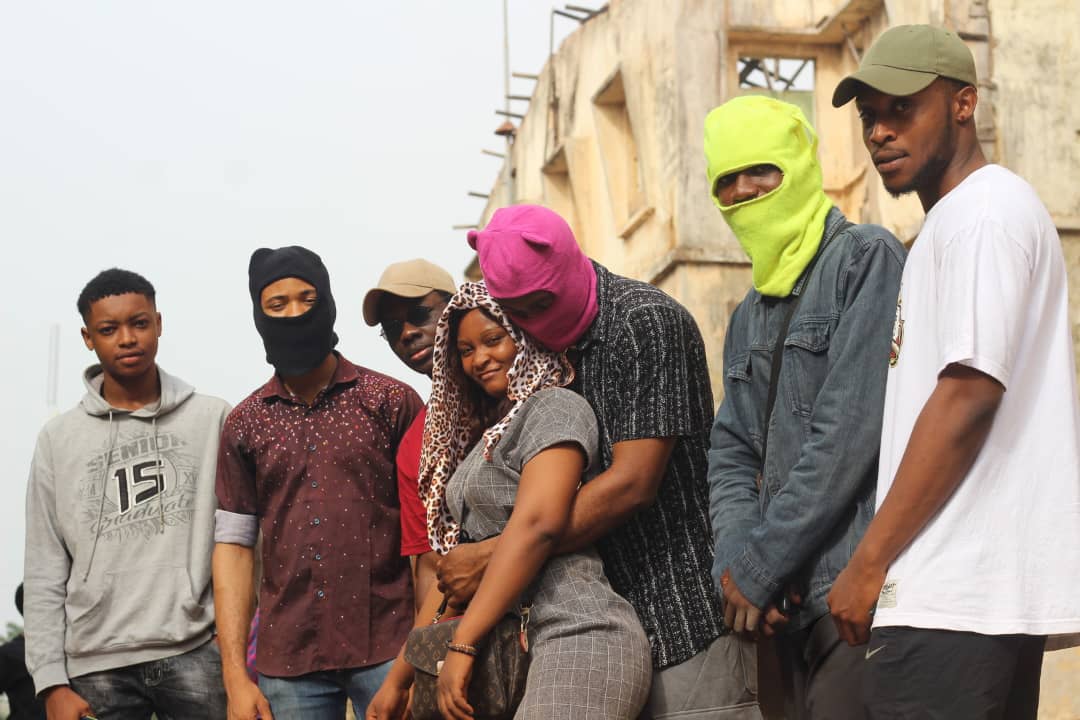
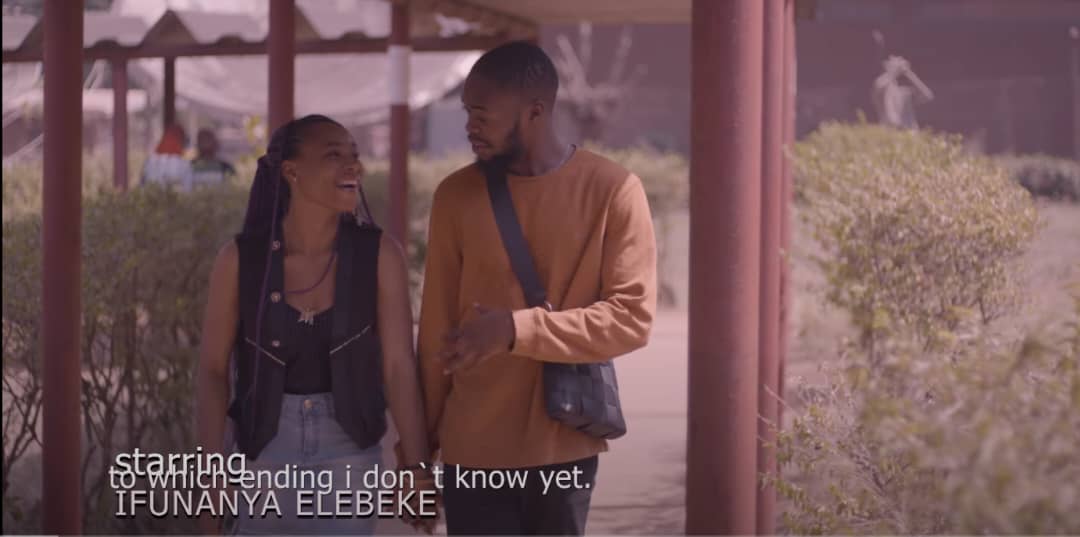
<p>2025 was supposed to be the death of Nollywood. Netflix scaled back its African originals budget. Prime Video paused commissioning new local content. Multichoice's Showmax restructured. The cinema chains consolidated to two players. Critics were writing the obituaries. Then 2026 happened — and indie African cinema is having its best year in a decade. From inside the industry, here's what we're actually seeing.</p>
<h2>The pullback that wasn't a collapse</h2>
<p>The streaming pullback was real. Netflix did cut its Nigerian originals budget by an estimated 60% from peak 2023 levels. Prime did pause new commissions. But here's what didn't happen: the audience didn't disappear. Nigerian and pan-African audiences kept watching, kept paying, and kept demanding new local content.</p>
<p>What changed is WHERE that demand went. With the streamers cutting back, three things filled the gap:</p>
<ul>
<li><strong>YouTube as primary distribution.</strong> Channels like Mark Angel Comedy, BasketMouth, and dozens of others built audiences in the millions. The economics — direct ad revenue, no platform middleman — are working.</li>
<li><strong>Direct-pay platforms.</strong> Showmax shifted to a more focused, less commissioned model. New entrants like IROKO+ and a wave of niche streamers (faith, comedy, Yoruba-language) are profitable in ways the big platforms never were.</li>
<li><strong>Cinema event releases.</strong> The two surviving chains (FilmHouse and SilverbirdGalaxy) doubled down on Nigerian releases. A well-marketed Yoruba-language theatrical is now a more reliable revenue source than a streamer commission.</li>
</ul>
<h2>The festival circuit explosion</h2>
<p>Five years ago, a Nigerian indie short had three legitimate festival options on the continent. In 2026, there are over 20: ASIFF, AFRIFF, Real Time Festival, Nollywood Week Paris, Carthage, Pan-African Film Festival, Lagos Film Forum, Kwara, the new Abuja Film Forum (debuted 2024), and a dozen smaller regional festivals.</p>
<p>This matters because festivals are now realistic distribution channels, not just prestige plays. ASIFF in particular has built a market component that connects films to international buyers. We've seen short films from our bootcamp alumni picked up by international curated platforms after a single ASIFF screening.</p>
<h2>The international co-production wave</h2>
<p>The most significant trend nobody is talking about: international co-productions with Nigerian indie studios are at an all-time high. UK, French, Canadian, and South African production companies are partnering with Nigerian indies on 6-12 month projects. The 2024 South Africa-Nigeria coproduction treaty made this practically easier.</p>
<p>What this means for indie filmmakers in Nigeria: there's actually a path to make work that competes internationally without leaving the country.</p>
<h2>The skills gap and the bootcamp boom</h2>
<p>The biggest constraint right now is not money or distribution — it's skilled crew. Demand for camera operators, gaffers, sound mixers, and colorists is well above supply. A skilled gaffer in Lagos books out months in advance.</p>
<p>This is why filmmaking bootcamps and trade schools are exploding. The Bano Studios bootcamp, the EbonyLife training program, the Lufodo Academy — all running at capacity. The "mentorship as service" model is also growing: experienced DPs and directors offering one-on-one paid mentorship to emerging filmmakers.</p>
<p>If you're a young filmmaker entering the industry now, the fastest path to working professionally is not film school — it's joining a working production as a PA or trainee, then leveraging the network and credit into bigger projects. Every working DP in Nigeria right now took this path; almost none came out of a 4-year film program.</p>
<h2>The technology shift</h2>
<p>The democratization of cinema-grade gear is the quiet revolution. A first-time filmmaker in 2020 had two realistic camera options: a DSLR with significant compromise, or rent expensive cinema gear. In 2026, the BMPCC 6K Pro, Sony FX3, and Canon C70 are within reach (rental or used) of any motivated indie filmmaker.</p>
<p>AI tools have entered the workflow but in narrower ways than expected. AI is genuinely useful for: rotoscoping (much faster), upscaling (rescuing low-res footage), background sound generation (atmospheric tracks), and color matching. AI has NOT replaced human work in: directing, performance, story, editorial decisions, or final color grading.</p>
<p>The smart filmmakers in Nigeria are using AI as a workflow accelerator, not as a creative shortcut.</p>
<h2>The advertising boom funding indie work</h2>
<p>This is the unsexy truth: most working indie filmmakers in Nigeria right now are funding their personal projects with branded content work. A 30-second ad for a fintech can pay ₦3-8M to produce. That's a feature film budget — a real one — and the same skills, the same crew, the same gear.</p>
<p>The relationship between commercial work and personal work has stabilized into something sustainable: do paid commercial work to fund the gear, the crew relationships, and the savings; use the off-weeks to make the personal projects that build a directorial voice.</p>
<h2>What's next (the next 24 months)</h2>
<p>Three predictions, with confidence levels:</p>
<ul>
<li><strong>High confidence:</strong> A Nigerian indie feature will get a major international festival prize (Sundance, Berlinale, Venice, TIFF) by end of 2027. The infrastructure is in place. It's a matter of which one breaks through first.</li>
<li><strong>Medium confidence:</strong> A direct-distribution platform from inside Nigeria (likely IROKO+ or a successor) will reach 5M+ paying subscribers and begin commissioning original feature-length content at the level Netflix did in 2022.</li>
<li><strong>Lower confidence:</strong> Theatrical box office in Nigeria will surpass pre-2020 levels within 36 months. Cinema-going habits are shifting; the long-term direction is unclear.</li>
</ul>
<h2>What this means if you're in the industry</h2>
<p>If you're an indie filmmaker, equipment renter, post-production house, or service provider in Nigeria right now: 2026 is the time to invest, not retreat. The talent is there. The audience is there. The infrastructure is finally there. The streamers' pullback created room for indies to build sustainable businesses they couldn't when commissioning was easier.</p>
<p>If you're starting out: this is the best moment in the history of African cinema to be a filmmaker who can finish what they start. Pick up a camera, learn the craft, finish a project. The doors are open.</p>
<p>Curious about working with us on production or rental? <a href="/contact">Get in touch</a>. Interested in our 2026 bootcamp? <a href="/events">Cohort 04 details and applications</a>.</p>