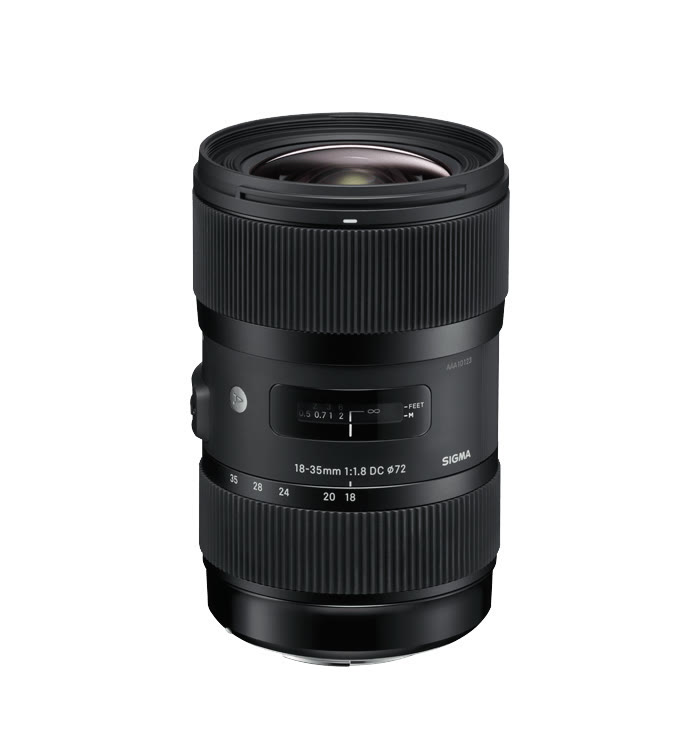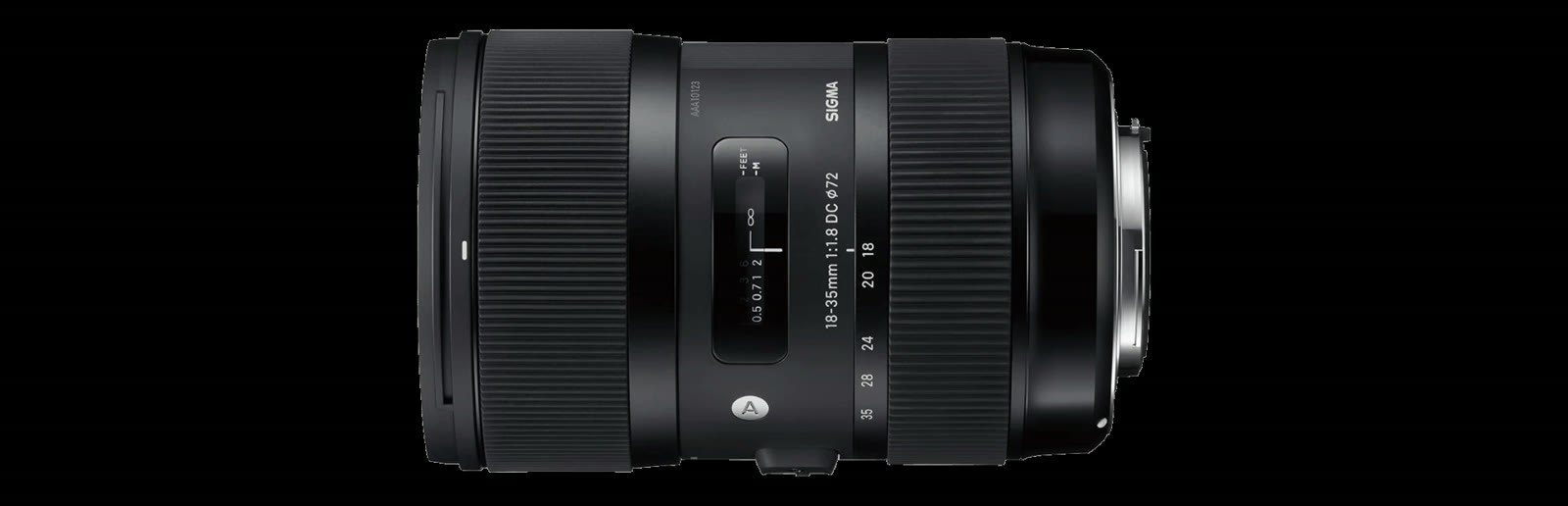
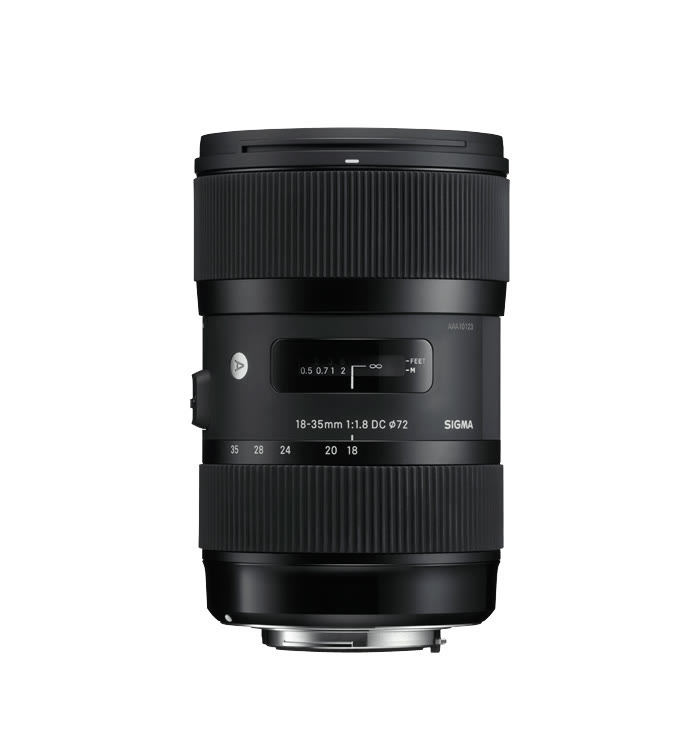
The Sigma 18-35mm f/1.8 Art is best known for one thing: it stays at f/1.8 all the way through its zoom, from 18mm to 35mm. That number describes the aperture, which is the opening inside the lens that lets light in. The smaller the f-number, the bigger the opening, so f/1.8 lets in a lot of light for a zoom lens. That helps a great deal on a low-budget shoot, and below you'll find what it costs to rent, what it fits and how to book it.
What it costs
It's ₦12,000 a day, or ₦60,000 a week if you book it for seven days or more. That's more than our other lenses (the Canon 18-135mm is ₦8,000 and the Yongnuo 35mm is ₦5,000), but for what this lens can do when the light is low, we think the extra money is worth it.
What makes it different
With most zooms, the picture gets darker as you zoom in, because the aperture gets smaller. This one holds f/1.8 across the whole range, and that's why so many filmmakers know it. Here's what it means on a shoot:
- You can often shoot with the light that's already there. Many indoor scenes work without extra lights, and an evening scene outside may not need a generator.
- You get a soft background anywhere on the zoom. Depth of field is how much of the picture, from front to back, is sharp. At f/1.8 it's shallow, so your subject stays sharp while the background goes soft, at 18mm, at 35mm and everywhere in between.
- It's sharp wide open. Wide open means at its biggest opening, f/1.8, and you can shoot there without worrying that your footage will come out soft.
For example, you might be making a brand film for a suya spot in Jabi, shot in the evening when the grill is going and customers are arriving. The only light comes from the stall's bulbs and the fire. With a kit lens, the basic zoom that often comes with a camera, you'd probably need to bring lights and a generator to run them. At f/1.8 the Sigma may be able to work with the light that's already there, and you can go from a wide shot of the stall to a tighter shot of the grill without changing lenses.
What it fits
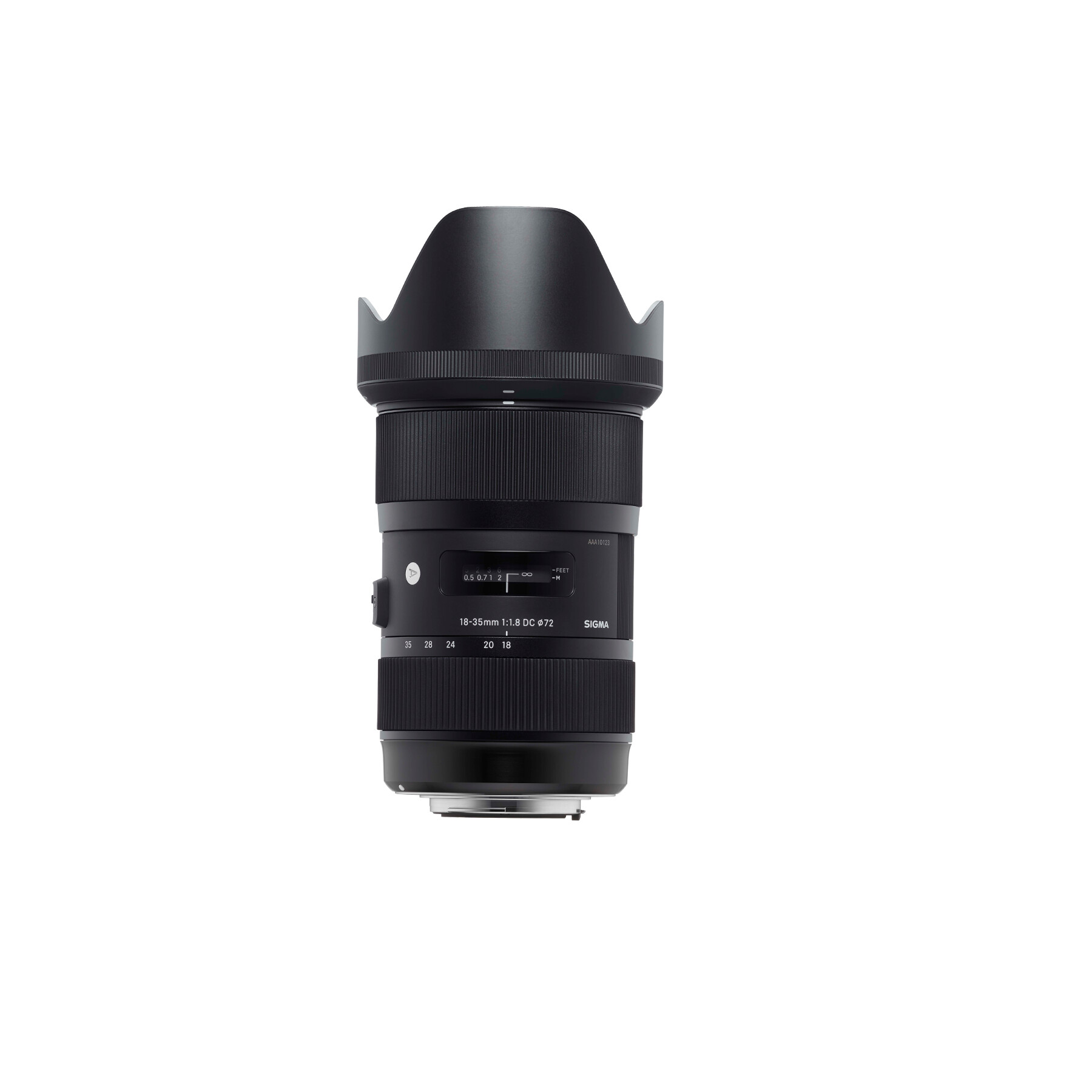
It has a Canon EF mount, the fitting that joins it to the camera, and it was made for APS-C sensors. The sensor is the part of the camera that records the picture, and APS-C is a common sensor size used in many Canon cameras. APS-C Canon bodies such as the Canon 1200D take it directly, and it fits straight onto the EF mount of the Blackmagic 6K Pro.
Full frame is a bigger sensor, about the size of a frame of old 35mm film. Because this lens was made for the smaller APS-C size, it will vignette on a full-frame camera, which means the corners of the picture will go dark. If you aren't sure which sensor your camera has, ask us before you book.
What it suits
It works well for music videos, brand films, interviews and documentaries. An APS-C sensor sees a smaller part of the scene than full frame does, so on a Canon APS-C body, 18–35mm gives roughly the view of a 29–56mm lens on full frame. That takes you from a wide view to something close to what your eyes see. On a shoot that moves fast, it can be the only lens you need, and it stays at f/1.8 the whole time.
How to book
You can book on the rental page, on the lens's own page, or on WhatsApp. A rental day runs from 8am to 8am the next morning. If you bring it back late, you'll be charged the day rate.
If you're hiring the Blackmagic 6K Pro as well, book the two together, since the Sigma goes straight onto the camera's EF mount. We can also deliver them to you in Abuja.