Submitting your indie short to film festivals is the most under-taught skill in African filmmaking. We've submitted to 30+ festivals, gotten into 11, won at 3, learned what works the hard way. Here's the actual playbook — what to submit where, what to skip, how to write a synopsis that gets past the first reader, and how to behave once you're in.
The festival landscape, simplified
African indie shorts have three rough festival tiers. Knowing which tier you're targeting saves you money and time.
Tier 1 — Continental majors
FESPACO (Burkina Faso), Carthage Film Festival (Tunisia), Durban International (South Africa), Africa International Film Festival (AFRIFF, Lagos), and the Pan African Film Festival (Los Angeles). Highly competitive. Acceptance rates we'd estimate at 5-15%. Programmers see thousands of submissions per year. A selection here meaningfully changes your career.
Tier 2 — Strong regional festivals
ASIFF (All Stars International, Nigeria), Lagos Film Forum, Nollywood Week Paris, Real Time Festival, Joburg Film Festival, Luxor African Film Festival. Acceptance rates around 15-30% for African shorts. Programs strong work, gives meaningful audience exposure, often has a market component for sales.
Tier 3 — Local and themed festivals
Abuja Film Forum, Kwara International, Calabar Film Forum, faith-themed festivals, women-in-film festivals, university festivals. Acceptance rates 30-50%+. Smaller audiences but genuine craft community, lower entry fees, useful for first-time filmmakers building festival experience.
Where to start (if it's your first short)
Don't start with FESPACO. We see this mistake a lot. First-time filmmakers who shoot something they're proud of and submit only to the biggest festivals, get rejected from everything, and conclude their film is bad. Their film might be fine — they're just submitting to the wrong tier.
Suggested first-festival sequence:
- 2-3 Tier 3 festivals (low fees, high acceptance, gets you festival programming experience)
- 2-3 Tier 2 festivals (where the real career-building happens for indie shorts)
- 1-2 Tier 1 festivals (low expectation, high upside)
Total fee budget for this mix: roughly ₦40-80K depending on dollar fluctuation.
The submission package — what programmers actually see
Most festivals use FilmFreeway. Your submission has 5 things that matter:
1. The screener (your film)
Obviously the most important. Upload at the highest quality the platform allows (1080p H.264, ~10-20Mbps). Color graded final. Final audio mix. Do not submit a rough cut. Programmers are watching your film alongside dozens or hundreds of others — yours needs to look as polished as theirs.
2. The synopsis (≤ 500 characters)
This is the second-most-important thing. Programmers read the synopsis BEFORE the film. A bad synopsis means they go in skeptical.
Bad synopsis structure (we see this constantly):
"This film is about a man who goes through a journey of self-discovery and finds love along the way."
Vague, no stakes, no specifics, no character. Bad.
Good synopsis structure:
"Lagos, 1985. A blind musician records his last album in 24 hours after his label drops him. As the studio session unravels, the songs become a confession to the wife he abandoned twenty years earlier."
Specific time + place + protagonist + concrete inciting incident + emotional throughline. Programmers can see this film before they press play.
3. The director's statement (optional but highly recommended)
Why you specifically had to make this film. Not "I am passionate about film" — actual motivation. The story behind the story. Personal connection to the subject. Two short paragraphs max.
4. Stills (3-6 images)
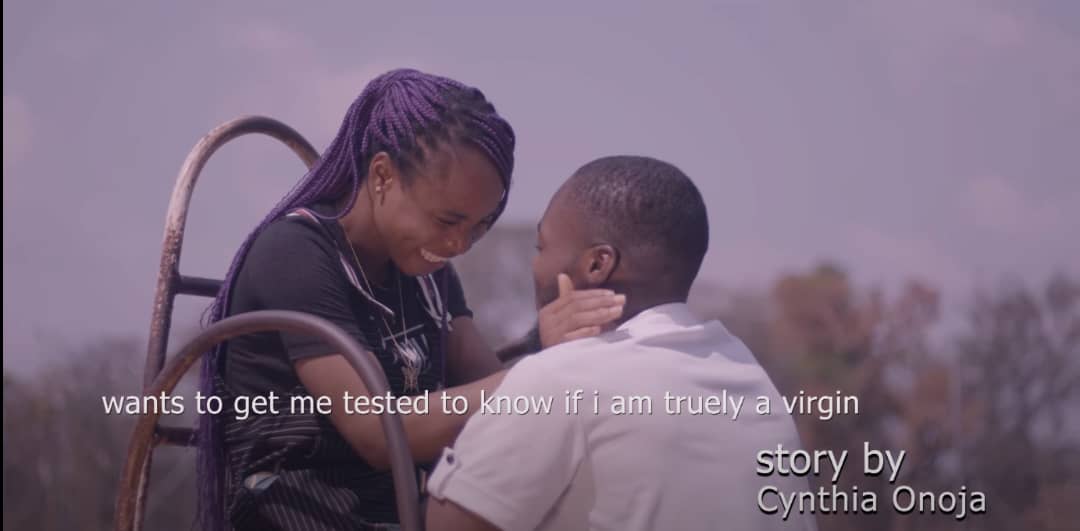
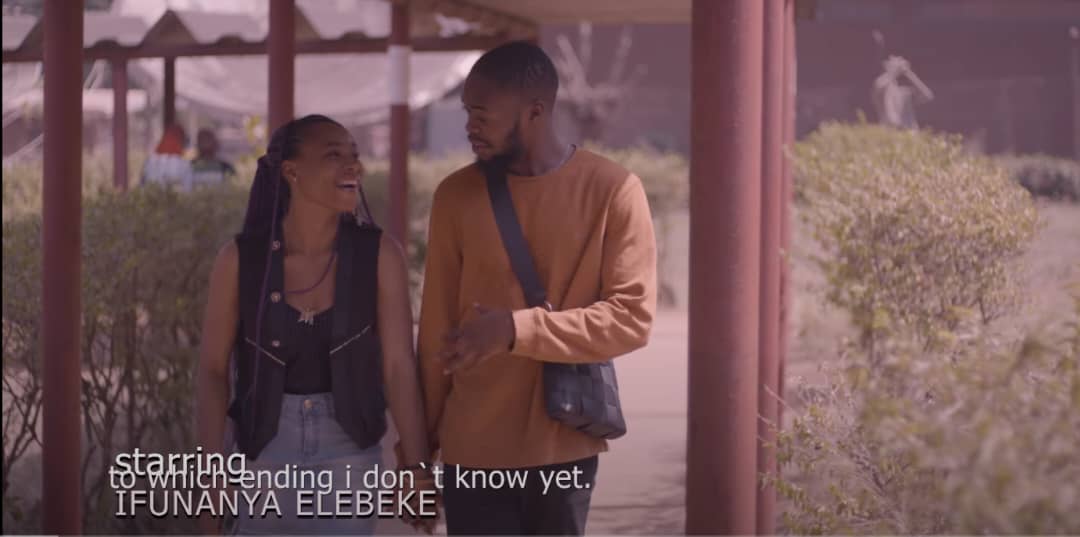
High-resolution screenshots from your finished film. Choose images that read as singular frames — clear subject, strong composition, expressive face. These are what festivals will use in their program if you're selected. Bad stills can prevent selection even if the film is great.
5. The trailer (60 seconds, optional)
For shorts, often skipped. Can hurt more than help if not professionally cut. We don't bother for under-15-minute shorts.
Fee strategy
Festival submission fees in 2026 range from $5 (community festivals) to $80+ (Tier 1). Watch for:
- Earlybird deadlines. Same festival, $20 vs $50 depending on when you submit. Always submit during earlybird.
- FilmFreeway sales. Black Friday + January often have site-wide promo codes saving 10-30%.
- Fee waivers. Most festivals quietly grant fee waivers for filmmakers from underrepresented countries, students, or certain partner organisations. Email the festival politely BEFORE the deadline asking if they offer waivers. Surprising hit rate (~30% in our experience).
How to behave if you get accepted
- Reply within 24 hours. Confirm acceptance. Send any requested DCP or premiere file immediately.
- Show up if you can possibly afford it. Festivals remember filmmakers who attend. They invite you back.
- Bring physical materials. Postcards with stills + your contact info. Hand them out at Q&As. Old-school but it works.
- Talk to other filmmakers. The relationships are worth more than the screening.
- Don't get drunk at the closing party. You're being watched.
How to handle rejection
Most submissions get rejected. We've gotten rejected from festivals that later accepted us with our next film. Don't read into it. Programming is subjective and quota-driven (festivals balance country, gender, theme, etc.). Keep submitting. Keep improving the work.
What ASIFF taught us specifically
Our 2021 win at ASIFF was the moment Bano Studios stopped being a hobby. The actual mechanics: we submitted "Expectations" three weeks before the deadline. Acceptance email came 6 weeks later. Festival was 4 weeks after that. We borrowed money to fly two cast members to attend. Won at the closing ceremony.
What we'd do differently: we didn't have business cards. We didn't have a press kit ready. When a regional distributor came up to us afterward asking about screening rights, we didn't have a one-pager to hand them. We followed up by email two weeks later — too late. Don't repeat this mistake.
Hand-edited list of festivals worth submitting to in 2026 + the ASIFF press kit template we now use is available to bootcamp alumni. Ask in cohort.