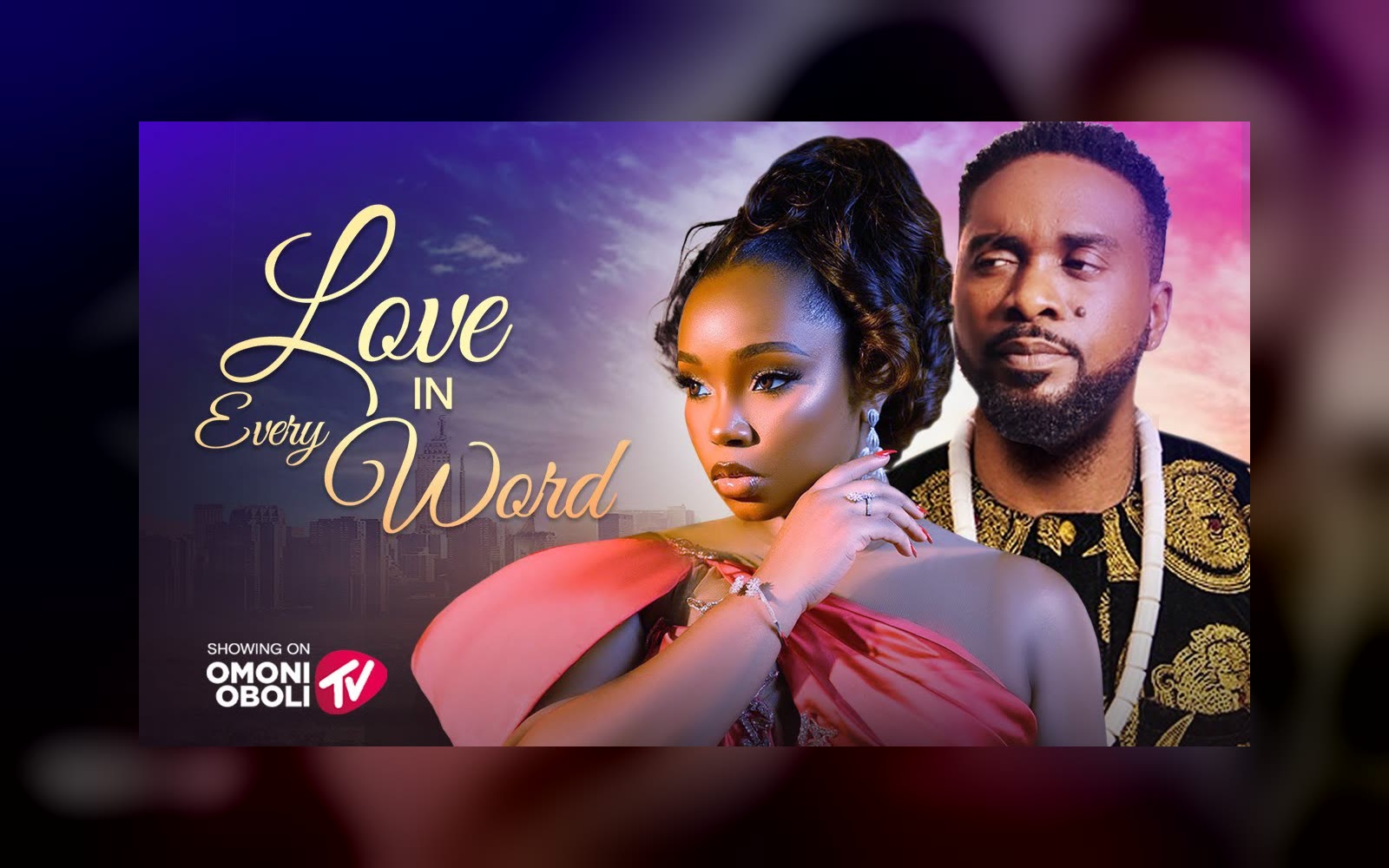
On 7 March 2025, Omoni Oboli put her film Love in Every Word on her own YouTube channel, free to watch. By 23 October 2026 that upload had 34,827,028 views. In December 2025, YouTube named her channel, Omoni Oboli TV, the No. 1 creator in Nigeria for the year, and most of the rest of its Nigerian top 10 were film and drama channels too.
A lot of Nollywood now premieres on YouTube instead of in cinemas or on a streamer. Here's why producers are doing it, how the money works, and what it changes about how you make a film.
Who's doing it
YouTube's list of Nigeria's top creators for 2025 reads like a Nollywood production slate: Omoni Oboli TV, Itelediconstudio, Uchenna Mbunabo TV, Saira Movies, Maurice Sam TV, RuthKadiri247, APATATV+, Uche Montana TV and Sonia Uche TV, with the comedian Brain Jotter as the one exception. On 23 October 2026, some of the biggest film channels had these subscriber counts:
- RuthKadiri247: 4.13 million
- Uchenna Mbunabo Tv: 3.92 million
- Maurice Sam TV: 2.87 million
- APATATV+: 2.64 million
- Uche Nancy tv: 2.37 million
- Omoni Oboli TV: 2.09 million
Single films travel too. Ruth Kadiri's Land of Dreams went up on 21 August 2025 and, according to Google's Africa blog, had 1.4 million views two days later. The actor Saga Adeoluwa put Falling Notes on his own channel on 19 October 2025, and it had more than 2.4 million views on 23 October 2026.
Why producers moved
The other doors got narrower. In January 2024, Prime Video told staff it would stop commissioning new originals in Africa and the Middle East. Netflix cut back on commissioning Nigerian originals in 2024, though reports at the time said it would keep licensing Nigerian films. A Netflix spokesperson said in December 2024: "We are not exiting Nigeria," adding: "We will continue to invest in Nigerian stories to delight our members." Showmax shut down on 30 April 2026.
Viewers' pockets changed as well. Netflix's premium plan in Nigeria rose from ₦4,400 to ₦7,000 a month over 2024, while YouTube costs a viewer nothing beyond data.
Filmmakers give their own reasons. Several have told reporters that films made for YouTube cost far less than cinema releases, and that YouTube lets them release when they're ready, without waiting for a distributor's date or anyone's approval. Producers also see it as some protection against piracy.
And the audience is there. YouTube said in December 2025 that more than 70% of the watch time on content from Nigerian channels comes from viewers outside the country, that watch time on TV screens in Nigeria grew by nearly 40% in 2025, and that the number of Nigerian channels earning more than ₦1 million a year from YouTube rose by 35% year on year.
How the money works
The basics are on YouTube's own Partner Program pages and its official blog:
- The ad share. Creators get 55% of the ad revenue on long-form videos, and 45% on Shorts.
- Getting in. To share in ad revenue today, a channel needs 1,000 subscribers plus either 4,000 qualified watch hours in the last 12 months or 10 million qualified Shorts views in the last 90 days.
- Other income. YouTube also pays creators through Premium revenue, channel memberships, Super Chat, Super Stickers, Super Thanks and Shopping.
- The bar is rising. From 1 February 2027, YouTube says new channels will need 8,000 qualified watch hours in the last 365 days, or 20 million qualified Shorts views in the last 90 days, plus 1,000 subscribers. Channels already in the programme aren't affected, but must accept the updated terms by 31 January 2027.
Where your viewers are matters. YouTube income depends partly on where viewers are, and views from Nigeria earn a fraction of what views from the US and other Western markets earn, which is one reason the diaspora audience is so valuable. Brands are part of the money too. The sequel, Love in Every Word 2 – The Wedding, carried a lot of product placement.
Rights matter just as much. In March 2025, Love in Every Word was taken down after a copyright claim and restored within hours. Separately, YouTube's Content ID system lets eligible rights owners block, earn from or track uploads that match their material, so clear every piece of music, footage and artwork in your film before it goes up.
How YouTube films get made
The YouTube model rewards speed. Many of the big channels put out new films every week or two; Omoni Oboli TV promises "New movies every week" in its channel description. Lead actors can still command several million naira for a YouTube film.
That speed has a cost, and people inside the industry say so. Veterans have warned that the rush to make money is hurting quality. Ruth Kadiri has written that viewers won't wait for a film to "get better later", so sound, lighting, editing and acting have to hold them from the start.
Ruth Kadiri, writing on Google's own Africa blog, described a different approach: story first, and every film made to work on both a phone and a TV in the living room. She also urges filmmakers to tell stories in Yoruba, Igbo, Hausa or Pidgin, and to use subtitles and translations to reach viewers who don't speak them.
What it means for your next film
If your film is going to be watched on a television, and YouTube said in August 2025 that more than two million Nigerians already watch it on TV screens, then picture and sound have to hold up on a big screen in a quiet room. In our view, sound is the first thing to get right.
You don't have to own the kit to do this properly. In Abuja, we rent a Rode NTG4+ shotgun mic for ₦10,000 a day, a Zoom H6 recorder for ₦12,000 a day and a BOYA wireless lapel kit for ₦8,000 a day. LED 800 Pro bi-colour lights are ₦8,000 a day each, and we have four. Our guide to LED lighting rental in Abuja covers what to take, and what ₦50,000 a day buys you shows how to build a kit around a budget. Everything else is on the rental page.
The stars matter on YouTube, and so do fresh faces. If you're 18 to 65, you act, and you're based in or around Abuja, you can join our open casting pool. And if you'd like hands-on training, see our filmmaking bootcamp.
Image: Omoni Oboli TV.