Two long-running Nigerian film festivals fall a week apart this year. The Abuja International Film Festival ran in our city from 20 October, and the Africa International Film Festival, AFRIFF, opens in Lagos on Sunday 1 November. If you make films, AFRIFF is the one still ahead, and the most useful part of it for working filmmakers isn't the red carpet. It's the free masterclasses and the market where films go looking for money.
Here's what's on, what it costs and how to get in, followed by a short look back at Abuja.
AFRIFF 2026 at a glance
- When: Sunday 1 to Saturday 7 November 2026. This is the festival's 15th edition.
- Where: Lagos. Screenings are spread across three Filmhouse cinemas: Landmark in Victoria Island, and Twinwaters and The Palms in Lekki.
- Theme: "Frames of the Future: Africa's Creative Intelligence".
- Who runs it: Chioma Ude founded AFRIFF in 2010 and still leads it.
Each day has its own focus, according to the festival schedule. The opening gala is on Sunday, Cinema Across Borders on Monday, and New Voices (shorts, animation and masterclasses) on Tuesday. Then come Women in Film on Wednesday, Made in Africa on Thursday and AFRIFF x CANEX WKND on Friday, before the Globe Awards close the festival on Saturday. Screening times hadn't been published when we wrote this, so check the schedule before you travel.
The free masterclasses
This is the part worth planning a trip around. AFRIFF lists eleven masterclasses and workshops. They're free, but you have to register. These are the sessions on the festival's masterclass page:
- AI filmmaking, with Obinna Okerekeocha
- Acting, with Richard Mofe-Damijo
- Producing, with Femi Adebayo
- An actors' workshop, with Hilda Dokubo
- Directing, with Angel Kristi Williams
- Cinematography
- Animation, with Esther Kemi Gbadamosi
- Costume design, with Yolanda Okereke
- Film editing, with Steve Sodiya
- Makeup, with Alakpa Uduoghene
- "From Idea to the Screen", with Banwo & Ighodalo
Dates and rooms for each class weren't out in late October, so keep an eye on that page. Femi Adebayo's producing class stands out. He produced Jagun Jagun, which reached No. 5 in Netflix's global top 10 for non-English films in August 2023, and he has said he funded it with the proceeds of his earlier film, King of Thieves (Agesinkole), and sold some of his properties when the money ran out.
The market: where films look for money
Alongside the screenings, AFRIFF runs the AFRIFF Film & Content Market (AFCM), now in its second year. It runs from 2 to 5 November at Twinwaters in Lekki, and it's set up as the place where producers meet investors, distributors and streamers. Investment roundtables are new this year.
The market has its own badges. Market badges, including a VIP tier, are applied for through the AFCM site, afcm-market.com, and every application is vetted. No badge prices were shown there in late October. If you have a finished film or a project to pitch, go with a one-page summary, a trailer or sizzle reel, and a budget you can explain. Our guide to pitching a film idea to a production company covers what to prepare.
Tickets and accreditation
AFRIFF's ticket page lists a "Festival Access" pass covering every screening from 1 to 7 November, with prices still to come. The festival's programme announcement on 16 October also said the Obi Adada Foundation would cover the cost of screening tickets for everyone attending. Check afriff.com/tickets to see how booking works before you go.
Journalists, critics, photographers and production crews can apply for media accreditation online. Approval isn't automatic.
The films opening and closing it
AFRIFF opens with Lady, written and directed by Olive Nwosu. It's set in Lagos and follows a young woman who drives a cab. At Sundance in 2026 it won the Special Jury Award for Acting Ensemble in the World Cinema Dramatic competition. The closing film is It's the Blackness, the first feature directed by the actor Hakeem Kae-Kazim.
The Special Presentations include Joachim Trier's Sentimental Value and Marco Bellocchio's The Traitor. Among the shorts is A Tray of Locust Beans by Orobosa Ikponmwen.
What happened in Abuja
The Abuja International Film Festival held its 23rd edition this month. It opened on Tuesday 20 October at Silverbird Cinema in the Central Business District with The Shadow's Edge, Larry Yang's action film starring Jackie Chan. Screenings ran in two halls, plus an online strand, until 24 October.
This year's theme was "Frames Without Borders: AI, Ethics, and the Future of Filmmaking". The festival's programme set aside Thursday 22 October for craft: a directors' masterclass, a writers' workshop, a producers' session, an acting masterclass, sessions on cinematography and on editing and post-production, and a session on the business of film. The festival was founded by the Nigerian filmmaker Fidelis Duker.
Entries for this year closed on 18 September. If you want a film in next year's edition, the time to start making it is now. The festival posts its results and news on Instagram at @abujafilmfestival.
Another before the year ends
If you can't get to Lagos, the Eastern Nigeria International Film Festival (ENIFF) holds its seventh edition at Nile Cinema in Enugu from 18 to 21 November.
Making a film for next year's festivals?
A festival film doesn't need a big budget. Our short Expectations was shot on an iPhone 6 and won Best Short at ASIFF 2021. We've written up what that shoot taught us, and what we've learned about submitting to African film festivals.
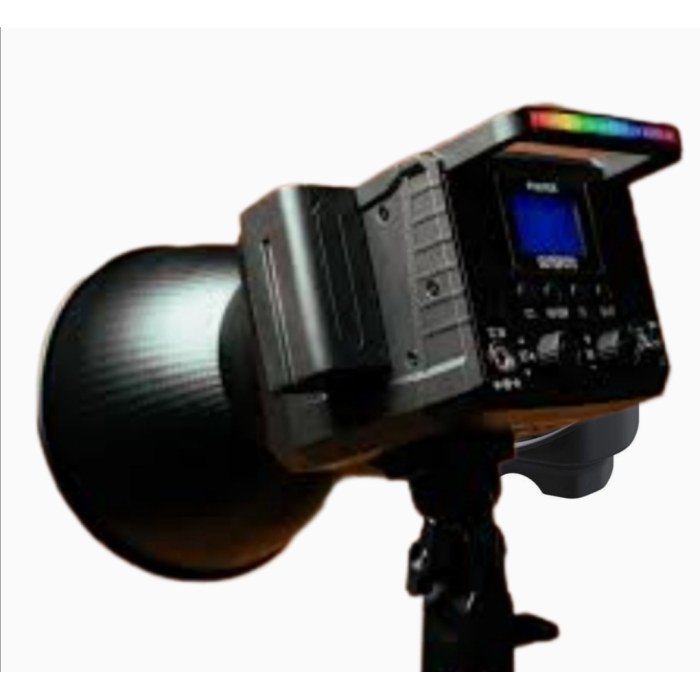
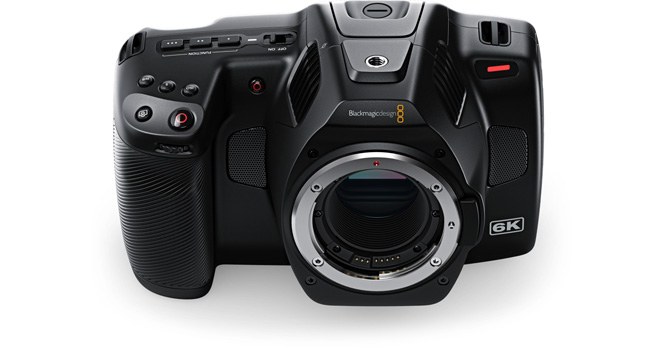
When you're ready to shoot, we rent cameras, lenses, lights and sound kit in Abuja, from a Blackmagic 6K Pro to wireless lapel mics. Day rates for individual items are on the rental page. If you'd rather learn the craft with a crew around you, our bootcamp, screenwriting competition and short film festival are on the events page.
Cover: the AFRIFF 15 logo. Image: Africa International Film Festival (AFRIFF).